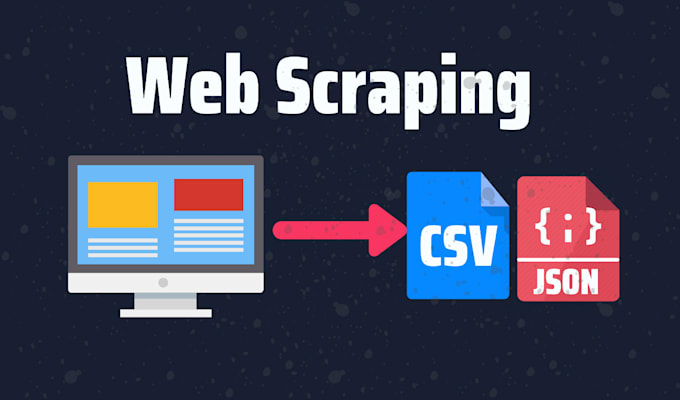
In the fast-paced world of business, staying competitive is more challenging than ever, especially when it comes to pricing. Price sensitivity and consumer demand are constantly shifting, and businesses must be agile to maintain their market position. Web scraping has become an invaluable tool for competitive pricing analysis, allowing companies to monitor their competitors’ pricing strategies in real-time and adjust their own prices accordingly. By automating the data collection process from competitor websites, businesses can gather the insights needed to optimize HTML to PDF API their pricing strategies and stay ahead in a crowded market. This article will explore the role of web scraping in competitive pricing analysis, its benefits, and how businesses can effectively use it to gain a competitive advantage.
1. Real-Time Monitoring of Competitor Prices
One of the most significant advantages of using web scraping for competitive pricing analysis is the ability to track competitor prices in real-time. Price fluctuations often happen quickly, and traditional methods of manual price tracking are inefficient and prone to errors. Web scraping automates the data collection process, allowing businesses to continuously monitor the pricing of products and services offered by competitors. With this information, companies can react promptly to price changes, adjusting their own prices to stay competitive. For example, an online retailer can track product prices across multiple e-commerce sites like Amazon, eBay, or Walmart, and adjust their own listings to match or beat the competition. By staying informed about competitor pricing, businesses can avoid losing customers to better-priced alternatives and maximize their revenue.
2. Identifying Market Trends and Pricing Strategies
Competitive pricing analysis goes beyond just monitoring individual price points; it involves understanding broader market trends and the strategies employed by competitors. Web scraping allows businesses to track price data over time, which can reveal patterns and trends in pricing across various industries and sectors. For instance, companies may notice that competitors frequently offer discounts during specific seasons or that certain pricing strategies are employed for specific customer segments. By analyzing these trends, businesses can adapt their pricing strategies, introducing promotions or adjusting prices based on the observed patterns. Scraping competitors’ product listings also provides insights into which products are being priced higher or lower, helping businesses determine where they can position themselves in the market. For example, a company might find that offering a mid-range product at a lower price than high-end competitors could attract price-sensitive customers, ultimately boosting market share.
3. Enhancing Dynamic Pricing Models
Dynamic pricing—adjusting prices based on market conditions, demand, and competitor actions—is a strategy widely used across industries, from airlines to ride-sharing services. Web scraping plays a crucial role in enhancing dynamic pricing models by providing real-time data that can inform pricing decisions. By continuously scraping competitor prices, businesses can integrate the gathered data into their pricing algorithms, allowing them to adjust prices dynamically in response to changes in the market. For example, a hotel chain may scrape hotel room prices from competitors in the same region and adjust their rates based on demand, competitor prices, and other external factors. The ability to automate this process helps businesses optimize revenue by ensuring that they are charging competitive yet profitable prices at all times.
4. Gaining Insights into Promotional Strategies and Discounts
Pricing is not only about the base price of products; businesses also need to understand how their competitors use promotions, discounts, and bundling strategies to attract customers. Web scraping can capture data on these promotional activities, such as discount codes, limited-time offers, and special sales events. By monitoring how and when competitors introduce promotions, businesses can better time their own promotions to maximize customer acquisition and retention. For example, an online fashion retailer can scrape data from competitor websites to see when sales events or discounts are running and launch their own campaigns accordingly. Additionally, businesses can use this data to analyze whether competitors are offering higher or lower discounts on similar products and adjust their promotional strategies to match customer expectations.
5. Mitigating Risks of Overpricing or Underpricing
Accurate competitive pricing analysis is vital to ensure that a business’s products are neither overpriced nor underpriced. Overpricing can drive customers to competitors, while underpricing can lead to loss of revenue and brand devaluation. Web scraping helps companies avoid these risks by providing a comprehensive view of the competitive landscape. By regularly monitoring competitors’ pricing and adjusting their own pricing strategies, businesses can ensure they are offering competitive yet profitable prices. For example, a software company might scrape pricing data from competitors offering similar software packages to ensure they are priced appropriately within the market. Additionally, businesses can evaluate how their pricing compares across different sales channels and regions, ensuring they don’t miss out on potential customers due to inconsistent or outdated pricing.
In conclusion, web scraping is an essential tool for competitive pricing analysis, providing businesses with the real-time data needed to make informed decisions about their pricing strategies. By continuously monitoring competitor prices, analyzing market trends, and tracking promotional activities, companies can stay competitive, optimize their pricing models, and enhance their revenue. The automation of data collection through web scraping saves time, reduces human error, and helps businesses react quickly to changing market conditions. With the right tools and strategies, businesses can leverage web scraping to gain valuable insights and secure a competitive edge in today’s ever-changing market landscape.
