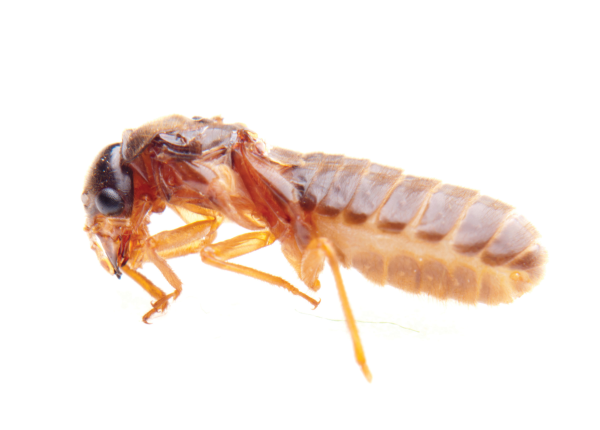
Termites are among the most destructive pests in the world, often referred to as “silent destroyers” due to their ability to chew through wood, flooring, and even wallpaper undetected. Found in various climates across the globe, termites play a crucial ecological role by breaking down dead plant material and recycling nutrients into the soil. However, their wood 消滅白蟻 -eating habits become a major concern when they invade human homes and structures. Most people only become aware of a termite infestation when visible damage appears, at which point significant structural harm may have already occurred. This makes early detection and prevention essential for homeowners and property managers alike.
There are over 2, 000 known species of termites, with the most common types affecting buildings being subterranean, drywood, and dampwood termites. Subterranean termites, the most destructive type, live in colonies underground and build mud tubes to access food sources above the ground. Drywood termites, on the other hand, do not require contact with soil and can thrive inside wooden furniture and structural timber. Dampwood termites prefer moist wood and are typically found in decaying logs or wood exposed to high humidity. Each species has distinct behaviors and environmental preferences, which makes targeted treatment plans essential for effective control.
The life cycle of a termite colony is complex and hierarchical, consisting of the queen, king, workers, soldiers, and reproductive alates. The queen can live for many years and produce thousands of eggs annually. Worker termites are responsible for feeding the colony, maintaining the nest, and caring for the young, while soldiers defend the colony against predators. Reproductive alates, also known as swarmers, leave the colony to mate and establish new colonies. The emergence of swarmers is often one of the few visible signs of an infestation and should prompt immediate inspection and action. Understanding this social structure is key to devising strategies to disrupt the colony and eliminate the threat.
Detection of termites is notoriously difficult due to their secretive nature. However, there are some common signs that can indicate their presence, such as hollow-sounding wood, discarded wings from swarmers, frass (termite droppings), and the appearance of mud tubes along walls or foundations. Regular inspections, especially in older buildings or in termite-prone areas, are highly recommended to catch infestations early. Technological advancements like infrared cameras, moisture meters, and acoustic sensors have improved detection accuracy, making it easier for pest control professionals to locate hidden colonies and assess the extent of the damage.
Treatment and prevention strategies for termites typically involve a combination of chemical and non-chemical methods. Soil-applied termiticides create a barrier that prevents termites from entering buildings, while bait systems lure termites to a poison that they then carry back to the colony. Physical barriers, such as stainless steel mesh and sand, can be used during construction to deter termites. Non-chemical options include reducing moisture levels, sealing entry points, and replacing damaged wood with termite-resistant materials. Professional pest control services play a crucial role in managing infestations, offering tailored solutions based on the species and severity of the problem.
Long-term protection against termites requires ongoing vigilance and maintenance. Homeowners should ensure that gutters and downspouts direct water away from the foundation, avoid stacking wood or mulch near the home, and conduct regular inspections of wooden structures. Education about termite behavior and risks is essential in promoting preventive practices. While termites serve an important function in natural ecosystems, their presence in human habitats can result in costly repairs and compromised structural integrity. By understanding their biology and taking proactive steps, individuals can protect their properties and reduce the likelihood of infestation.
