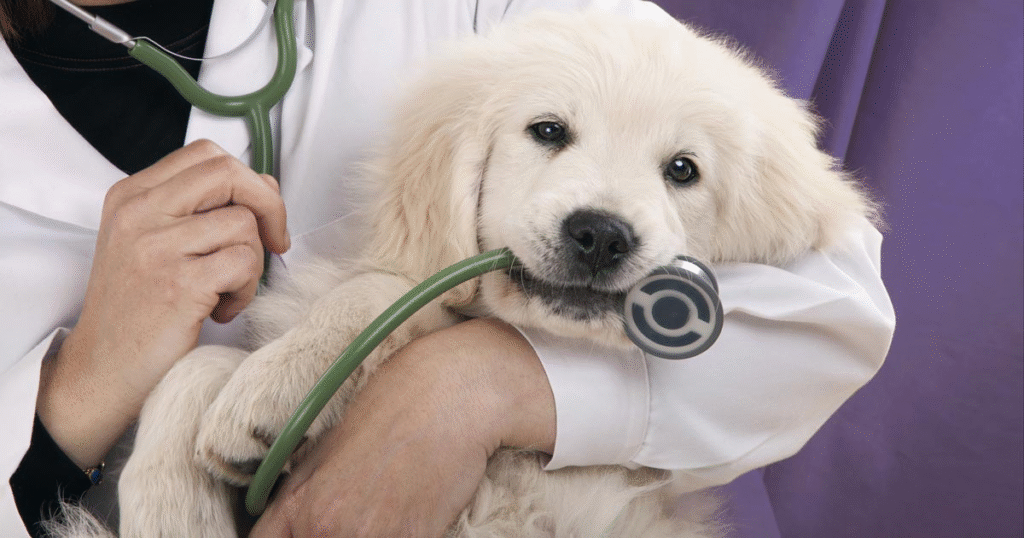
Ensuring optimal pet health is a fundamental responsibility for any pet owner. Pets, whether dogs, cats, birds, or exotic animals, depend entirely on their 寵物保健 caregivers for their physical, emotional, and social needs. Maintaining a pet’s health involves regular veterinary check-ups, proper nutrition, exercise, and a clean living environment. Preventive care is key, as it helps identify potential health issues before they become serious. From vaccinations and parasite control to dental hygiene and grooming, a holistic approach ensures that pets live longer, happier, and more fulfilling lives.
Nutrition plays a critical role in maintaining good health for pets. A balanced diet tailored to a pet’s species, age, size, and health condition provides the essential vitamins, minerals, and energy they need to thrive. Commercial pet foods now offer a wide range of formulas that cater to different dietary needs, including grain-free options, high-protein diets, and foods for pets with allergies or medical conditions. Fresh water should always be available, and treats should be given in moderation to prevent obesity, which is a growing concern in domestic animals. Consulting a veterinarian can help determine the best dietary plan for each individual pet.
Exercise and mental stimulation are equally important components of pet health. Dogs need regular walks and playtime to stay physically fit and to prevent behavioral problems. Cats benefit from toys and climbing structures that engage their hunting instincts and encourage movement. Even small animals like rabbits, ferrets, and guinea pigs require daily opportunities to explore and stay active. Mental stimulation, including puzzle toys and training exercises, helps keep pets alert, reduces stress, and strengthens the bond between pets and their owners. Ignoring these needs can lead to anxiety, destructive behavior, and a decline in overall health.
Veterinary care is the cornerstone of responsible pet ownership. Regular check-ups allow for early detection of illnesses and help manage chronic conditions such as diabetes, arthritis, and kidney disease. Vaccinations protect against life-threatening diseases like rabies, parvovirus, and feline leukemia. Spaying or neutering pets not only helps control the animal population but also reduces the risk of certain cancers and behavioral problems. Routine dental cleanings prevent periodontal disease, which can lead to more serious systemic health issues. Preventive medication for fleas, ticks, and heartworms is also essential for ensuring a pet’s long-term wellbeing.
Grooming and hygiene contribute significantly to a pet’s overall health. Regular brushing helps control shedding, removes dirt, and prevents matting, especially in long-haired animals. Bathing keeps the coat and skin clean, while nail trimming prevents discomfort and mobility issues. For certain pets, ear cleaning and eye care are also necessary to avoid infections. A clean habitat is crucial, particularly for caged animals, as poor sanitation can lead to respiratory problems, skin issues, and bacterial infections. Grooming is also an opportunity for owners to check for lumps, parasites, or any unusual behavior that may warrant a vet visit.
The emotional wellbeing of pets is just as important as their physical health. Animals are sensitive to their environment and the moods of their owners. They need companionship, affection, and consistency in their daily routines. Separation anxiety, boredom, and neglect can lead to emotional distress and physical symptoms. Providing a loving, safe, and stable home is essential to fostering a pet’s mental health. Ultimately, maintaining pet health is a multifaceted commitment that requires time, resources, and attention—but the rewards of companionship, loyalty, and unconditional love make the effort worthwhile.
