Roof Lessons: Where the data hit me hard
I was on a blistering rooftop in Austin in June 2019 (scenario), measuring a consistent 18% output shortfall across a 50 kW PV array (data)—what did I miss in solar installation training? I tell that story because it changed how I teach and audit field crews. I’ve been installing and consulting for over 15 years; I know the drills, the kits, and the checklists. Yet that week exposed a tiny failure cascade: loose racking bolts, a misconfigured inverter string, and a cable run pinched under a service hatch. Those three small issues together shaved peak kilowatts—big hit on ROI, and no one on site knew which module to blame. (No sweat once you learn the pattern.)
What went wrong?
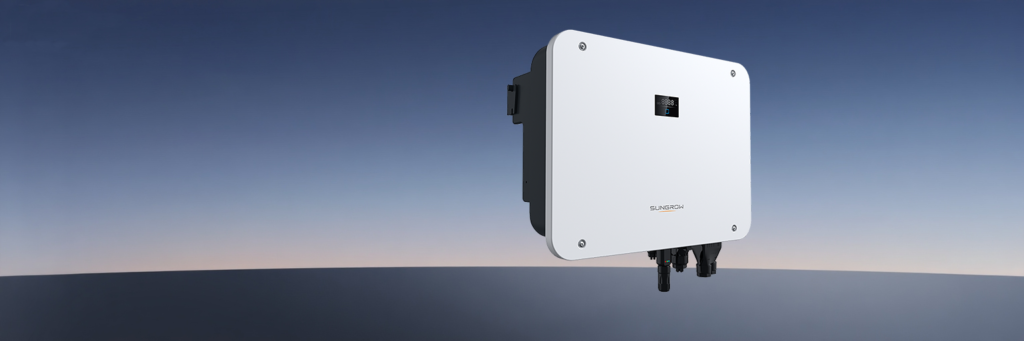
I’ll be blunt: the traditional fix—classroom slides and a torque chart—doesn’t teach pattern recognition. I remember the rig: SMA Sunny Boy string inverter installed upside down on the rail, factory torque stickers still barely legible, roofers who’d never been taught how bending a rail by 3 mm changes module tilt and string mismatch. I had one crew leader who’d only seen racking in photos. That gap is not trivia; it’s where performance loss hides. We accepted “close enough” on the roof because paper checklists said pass, but electricity doesn’t lie. We missed hands-on sequencing, weak grounding practice, and end-of-day thermal checks. This is the deeper layer—traditional solutions assume perfect handoffs; reality is messy. Next—I’ll map the fixes and metrics that actually matter.
Forward: Training that closes the gap and measures results
I shifted our approach: we now run blended modules—class time, a 4-hour hands-on lab on a mock racking run, and three in-field ride-alongs where I watch crews tighten torque to spec and inspect inverter hookups. We tie every learner to a measurable outcome: first-year performance delta on a matched site. For example, after retraining a Houston crew in March 2021, their 30 kW install returned to spec within two weeks and saved the owner an estimated $1,200 in lost production the first month. That’s concrete. When I audit, I look for three things: consistent torque records, clean cable management (no pinches; labeled runs), and inverter string balance. These are simple—but they are proof. I recommend operators subscribe new hires to focused solar installation training, practice on a real racking mockup, and schedule a 30-day performance review. We measure watt drop, fix time, and re-check rate. Short pause—then repeat. The goal is a loop: train, measure, correct, document.
Evaluation: Three metrics I insist you use
When you evaluate any training or retrofit approach, weigh these metrics: 1) First-year performance delta (kWh difference vs. expected), 2) Recheck rate within 30 days (percent of sites needing correction), and 3) Mean time to repair for field defects (hours to close an issue). I use those three as my north star; they separate marketing fluff from real value. I speak from installs on both residential and small commercial rooftops—like that 50 kW Austin job—and from audits in Dallas in 2020 where immediate rework reduced losses by 12%. These metrics force accountability. They also tell you whether the training stuck. We keep it lean, we test on real hardware, and we insist on documentation—no guesswork. Trust the numbers. Trust the work. Final note: if you want a practical partner who measures output and coaches crews in the field, look for trainers who combine classroom, racking mockups, and follow-up audits—then compare results against those three metrics. I stand by that approach. sungrow
