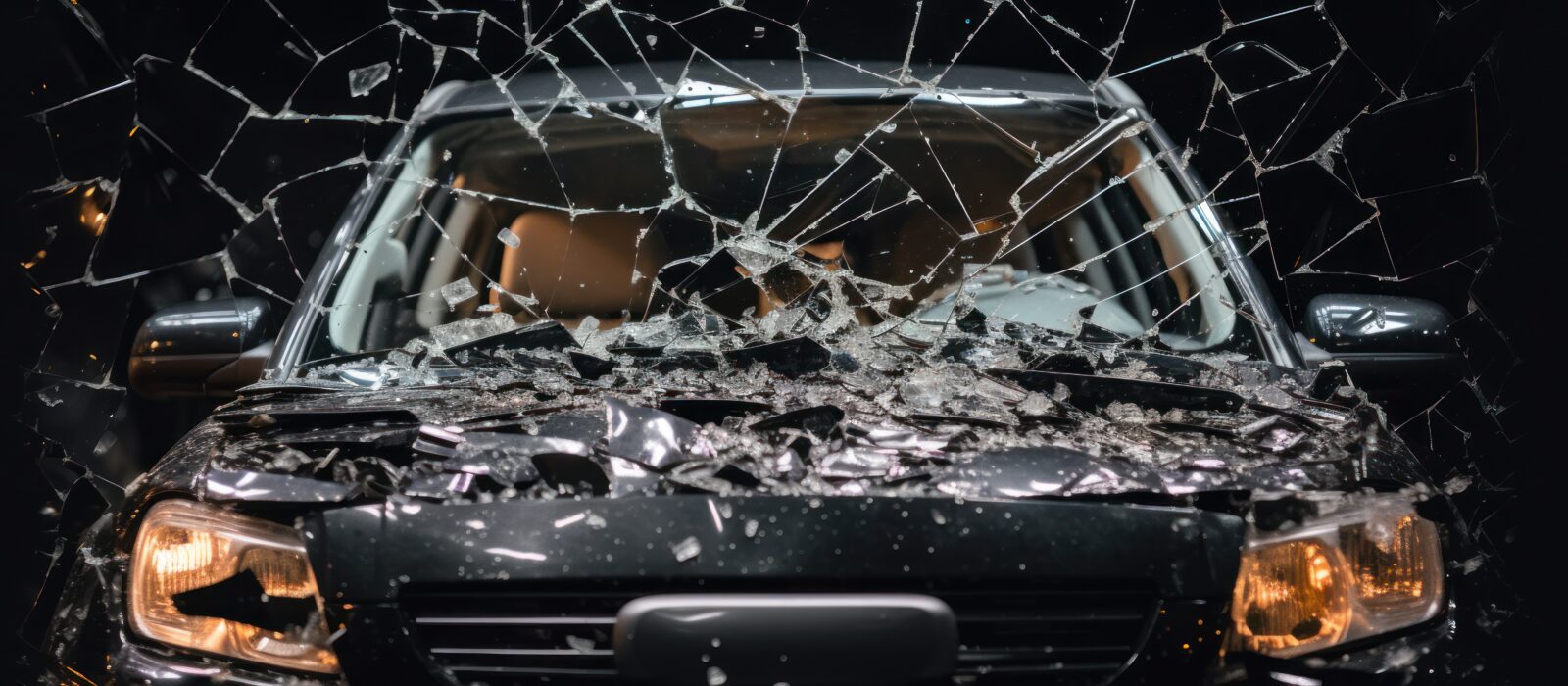
Auto glass damage resulting from an accident can be a serious issue that impacts your vehicle’s safety, functionality, and value. Addressing this damage promptly and effectively is crucial for ensuring that your vehicle remains roadworthy and safe vehicle windshield replacement . Here’s a comprehensive guide on how to handle auto glass damage after an accident, from initial assessment to repair or replacement.
- Assess the Extent of the Damage
Immediately after an accident, carefully inspect your auto glass for any signs of damage. Look for cracks, chips, or shattering on the windshield, side windows, and rear window. Assess whether the damage affects your visibility or compromises the structural integrity of the vehicle. If the damage is minor and does not obstruct your view, you may be able to schedule a repair. However, if the damage is extensive or poses safety concerns, a replacement may be necessary.
- Document the Damage
Before proceeding with repairs or replacements, it’s essential to document the damage for insurance purposes. Take clear, detailed photographs of the damaged glass from various angles. Ensure that you capture close-up images of any cracks or chips. This documentation will be useful when filing an insurance claim and can help support your case in seeking coverage for the repair or replacement costs.
- Contact Your Insurance company
Notify your insurance company about the damage to your auto glass as soon as possible. Provide them with the documentation and any other relevant details about the accident. Your insurer will guide you through the claims process and inform you about the coverage available for auto glass repair or replacement. Many insurance policies include coverage for glass damage, but the extent of coverage can vary, so it’s important to understand your policy’s terms.
- Seek Professional Assessment
Consult with a professional auto glass technician to assess the damage and recommend the appropriate course of action. A qualified technician can evaluate whether the damage can be repaired or if a replacement is necessary. They will also check for any underlying issues that may have resulted from the accident, such as misalignment or damage to the vehicle’s frame. A professional assessment ensures that the damage is addressed correctly and that the repair or replacement meets safety standards.
- Choose between Repair and Replacement
Based on the technician’s assessment, decide whether to repair or replace the damaged auto glass. Repairs are typically suitable for minor chips or cracks that are small and not in the driver’s line of sight. However, if the damage is extensive, affects the structural integrity, or is in a critical area such as the driver’s field of vision, replacement may be the better option. Repairing severe damage may not restore the glass to its original strength, and replacement ensures that the glass is up to standard.
- Schedule the Repair or Replacement
Once you have decided on the necessary action, schedule the repair or replacement with a reputable auto glass service provider. Ensure that the technician uses high-quality materials and adheres to industry standards for installation. If opting for a replacement, choose OEM (Original Equipment Manufacturer) glass to ensure compatibility and maintain the vehicle’s safety and value. A professional installation is crucial for ensuring that the new glass is properly fitted and sealed.
- Follow up and Inspect
After the repair or replacement is completed, conduct a thorough inspection of the work to ensure that it meets your expectations. Check for any remaining issues, such as visible defects, improper sealing, or misalignment. Additionally, follow any recommended care instructions provided by the technician to maintain the condition of the new glass. Regularly inspect the glass and surrounding areas to ensure that no new damage has occurred and that the glass continues to perform effectively.
In conclusion, handling auto glass damage after an accident involves a series of important steps, from assessing the damage to choosing the right repair or replacement option. Documenting the damage, contacting your insurance company, seeking professional assessment, and ensuring quality repair or replacement are crucial for maintaining your vehicle’s safety and performance. By following these steps, you can address auto glass damage effectively and ensure that your vehicle remains safe and roadworthy.
