Did you know that in 2020 alone, there were over 10,000 reported accidents involving aerial work platforms in the United States? This staggering figure underscores the critical importance of understanding the legal and regulatory attributes associated with articulating boom lifts. These versatile machines are not only essential for various construction and maintenance tasks but also come with a complex framework of regulations designed to ensure safety and compliance.
The Legal Framework Surrounding Articulating Boom Lifts
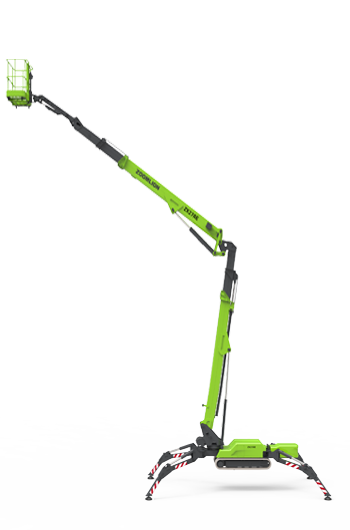
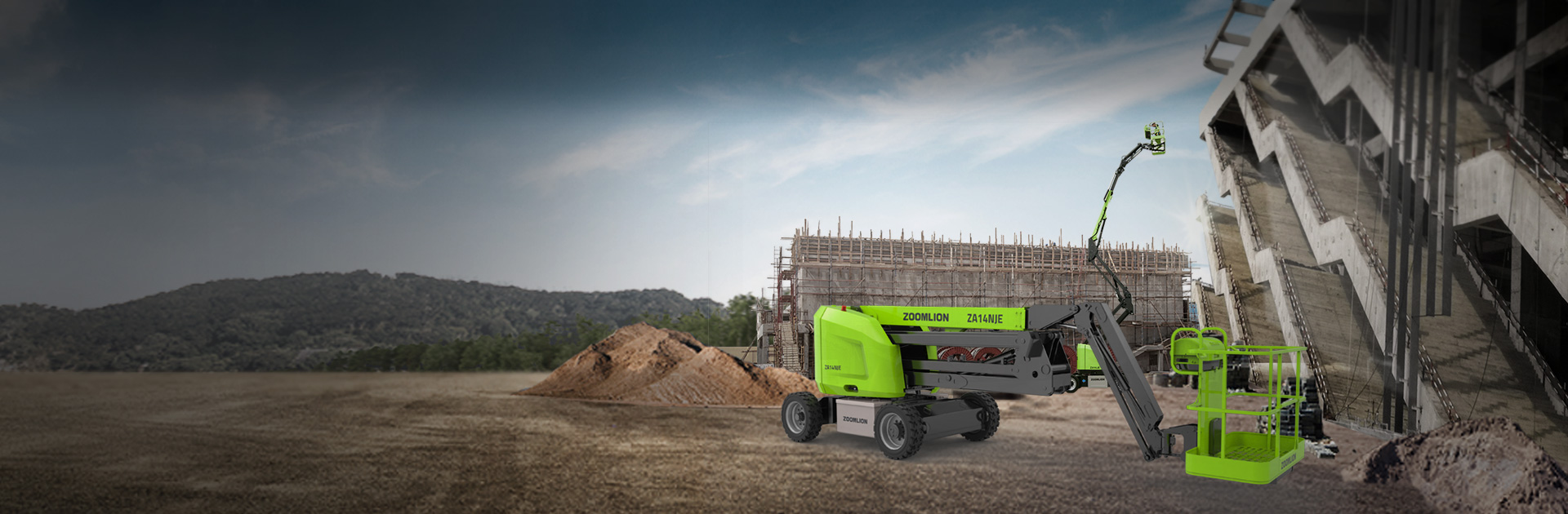
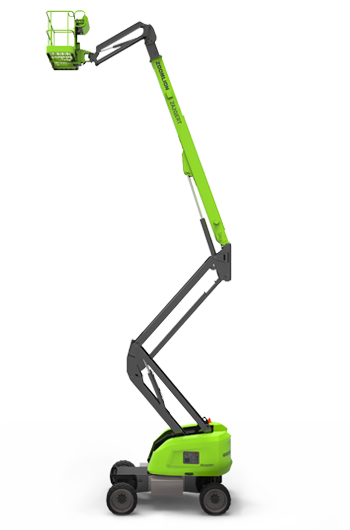
Articulating boom lifts, often referred to as knuckle booms, are characterized by their unique design that allows for greater maneuverability at height. Legally, these machines must adhere to stringent regulations set forth by organizations such as OSHA (Occupational Safety and Health Administration) in the United States. Compliance involves regular inspections, operator training certifications, and adherence to load capacity limits. Furthermore, effective Internal Controls and Risk Management practices are crucial when operating these lifts; they help mitigate risks associated with equipment failure or improper use while ensuring compliance with applicable laws.
The Role of Rough Terrain Scissor Lift Rental in Internal Controls and Risk Management
When it comes to rough terrain scissor lift rentals, Internal Controls play an integral role in managing operational risks effectively. Companies renting out this equipment must implement rigorous maintenance schedules to ensure all machinery is safe for operation on uneven surfaces. Additionally, rental agreements should include clauses that outline liability responsibilities clearly—protecting both parties from potential legal disputes arising from accidents or injuries during usage. By establishing comprehensive risk management protocols tailored specifically for rough terrain operations, businesses can significantly reduce their exposure to hazards while complying with relevant regulations.
An In-Depth Look at Zoomlion Access’s Approach to Internal Controls and Risk Management
Zoomlion Access stands out within the industry due to its commitment towards robust Internal Controls aimed at enhancing safety standards across its fleet of articulating boom lifts. The company emphasizes thorough pre-operation checks conducted by trained personnel before any machine is deployed on-site. Moreover, Zoomlion implements advanced tracking systems that monitor equipment performance metrics continuously—allowing them not only to maintain compliance but also proactively address potential issues before they escalate into serious problems. Their focus on continuous improvement through feedback loops ensures ongoing refinement of risk management strategies aligned with evolving legal requirements.
Conclusion
In summary, articulating boom lifts represent a vital component within many industries; however their operation is governed by a complex web of legal frameworks designed primarily around safety concerns. Effective Internal Controls coupled with proactive Risk Management practices are essential elements necessary for navigating these regulatory landscapes successfully—ensuring both compliance and protection against unforeseen liabilities throughout every stage of operation.