Introduction — A Workshop Moment, Numbers, and a Question
I remember standing under a tube of solder smoke in a small metal shop, watching light catch dust motes as if the air itself kept a ledger of every cut and weld. In that hush, the need for reliable fume extraction equipment becomes plain: workers cough more, filters clog faster, and downtime creeps up (you notice it in the way people rub their eyes). Recent studies show localized extraction reduces airborne particulate matter by up to 85% in focused operations — so why do so many shops still run on makeshift ducting and patched fans? I ask this not from a textbook but from years watching plants rework the same mistake. Let us move from scene to scrutiny; the questions now sharpen into what to fix first.
Part 2 — Where Traditional Solutions Fail and What Users Secretly Endure
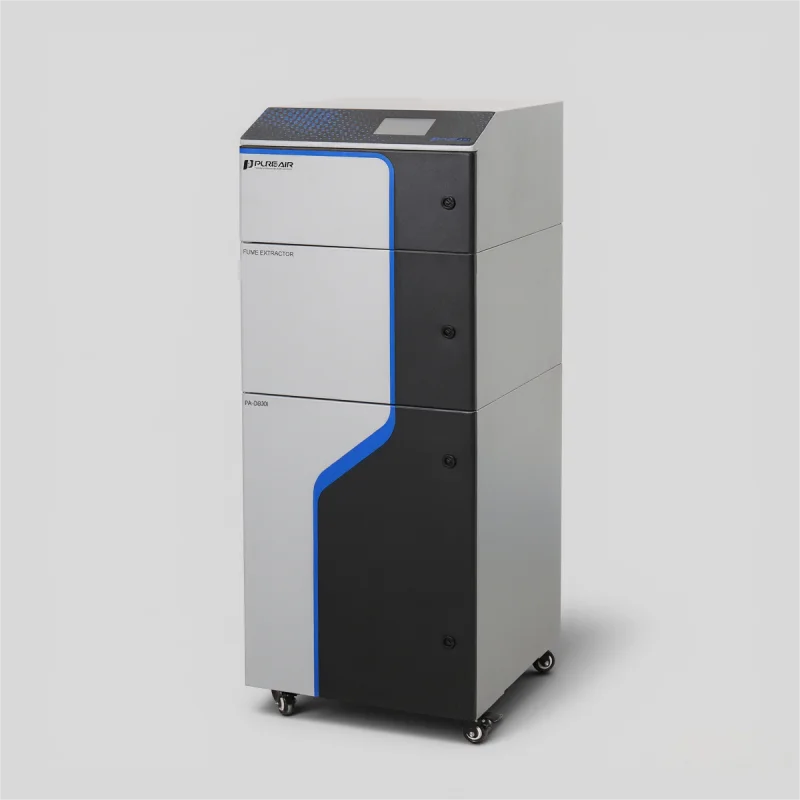
When I speak of a fume extraction machine, I mean a system designed to capture fumes at source, not chase them around a room. Yet many systems on the floor act like band-aids. They rely on undersized fan blowers, ignore airflow dynamics, and skimp on HEPA filters or activated carbon stages, which reduces capture efficiency. The result? High energy use, frequent filter swaps, and workers who still find their faces filled with smell and grit. I’ve seen managers accept this as “good enough” — and that frustrates me. Look, it’s simpler than you think: match capture velocity to the process, size ducts for laminar flow, and stop hoping a single powerful fan will fix poor hood placement. — funny how that works, right?
What goes wrong most often?
Poor hood design, inadequate maintenance plans, and wrong filter selection top the list. Users often report noise complaints, uneven extraction at multi-station benches, and rapid filter loading when volatile organic compounds mix with particulate. These are hidden pains: the extra hours to clean ducts, surprise shutdowns for filter changes, and the subtle drop in employee morale. I’ve walked through plants where a so-called “industrial” extractor had worse particulate counts than a simple fume hood because the system lacked pre-separation stages and proper power converters to stabilize fan speed. We must be blunt: the cheapest system is rarely the best value once you count lost hours and health impacts.
Part 3 — New Principles, Future Outlook, and How to Decide
Advances change the game. Modern designs blend mechanical separation, multi-stage filtration (HEPA plus activated carbon), and smarter controls — sometimes with edge computing nodes to monitor performance in real time. A contemporary fume extraction machine can regulate fan blowers dynamically, logging capture efficiency and signaling when a scrubber or filter nears saturation. I find this combination practical: it lowers running costs and gives maintenance teams clear actions instead of guesses. Note: integrating sensors means installing reliable power converters and simple dashboards so frontline staff actually use the data.
What’s Next — Practical Steps and Metrics
Looking forward, I expect modular extractors that scale with the line, easier filter swaps, and clearer ROI reporting. For now, when you compare systems, weigh three metrics I trust: capture efficiency at source, lifecycle cost (filters + energy + downtime), and real-time monitoring capability. These tell you more than peak airflow or marketing specs. My closing advice? Test a candidate on-site for a week if you can. Observe the particulate counts, ask your team how it sounds and feels, and calculate total cost over two years. — and that matters more than a glossy brochure. For balanced choices and proven designs, consider manufacturers who publish real test data and who stand behind installation support. I prefer solutions that treat installation as part of the product, not an optional add-on.
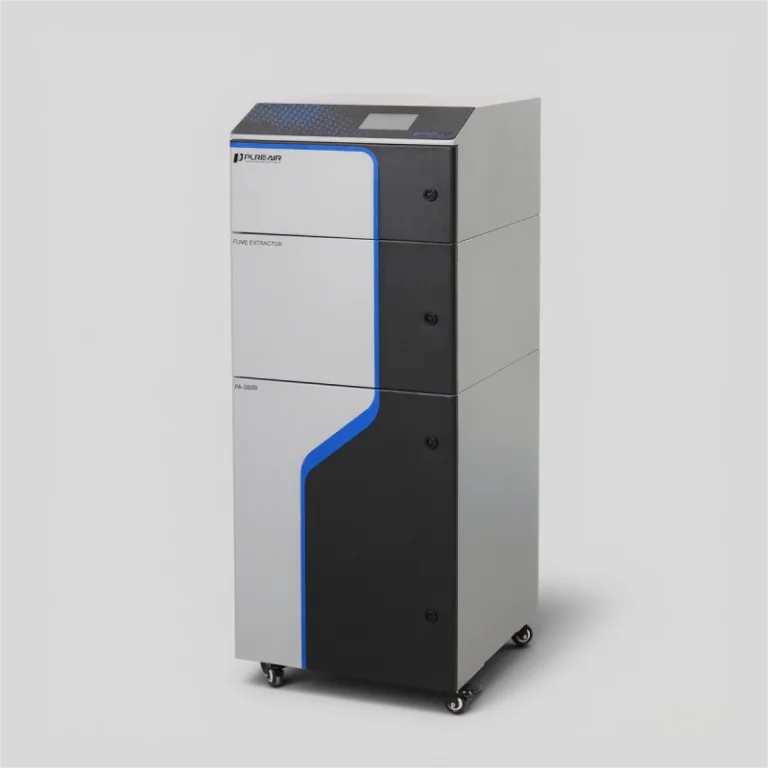
We’re aiming for air that doesn’t announce itself — clean, steady, and managed. I’ve been in enough shops to know there’s no perfect machine, only better choices. Use capture efficiency, lifecycle cost, and monitoring as your north star, and you’ll find a system that keeps your people healthy and your lines running. For reference designs and support, check PURE-AIR.
