Setting the Scene: Bills, Heat, and Batteries
I’ll be blunt: peak tariffs punish hesitation. On a 42°C Thursday in January, I watched a Sydney cold-chain client stare down a demand spike that added $18,400 to a single month—one short, brutal half-hour window. They’d heard about commercial and industrial energy storage, but old habits—diesel gensets and shrug-it-off scheduling—kept winning. Commercial energy storage systems now sit in the sweet spot between control and cost, and the data backs it. Demand charges in parts of NSW still float around $12–$18/kVA, and they don’t blink when compressors kick or a chiller throws a tantrum. I’ve spent 17 years in C&I projects across Brisbane, Wagga Wagga, and Perth, and I’ve seen the same pattern: load chaos at the wrong five minutes. So the question I keep asking—how long will you let the grid’s bad timing set your margins?

Look, I prefer systems that behave predictably. Legacy “solutions” rarely do. Diesel units stall during transfer. Automatic controls misfire when the BMS isn’t in sync with the microgrid controller. Worse, power converters trip on harmonics from crusty plant gear, or SCADA points get mapped wrong and you don’t find out until the meter reads you the riot act. These aren’t abstract flaws; they’re preventable pain points hiding in plain sight. If your refrigeration cycles aren’t coordinated with the storage dispatch logic, you’ll miss the very peak you set out to shave. And the tariff will still bite—hard. Let’s cut through the noise and line up the options that actually hold up under real load.
From Diesel and Deferral to Digital Dispatch: What Actually Wins on the Meter
I still remember 7:10 a.m., 14 March 2023, Port Botany. We commissioned a 2.5 MWh LFP container at a cold store that had run two aging gensets for a decade. On day two, the site clipped a 1,120 kVA peak to 780 kVA, while holding coil temps steady. The outcome? An 18% drop in demand charges over the next billing cycle, verified against interval data. That wasn’t luck—it was a tighter loop between the EMS and plant control, plus a DC‑coupled inverter that didn’t blink at inrush. The old playbook—start a genset, hope the ATS behaves—simply couldn’t react in the 30–90 second band where spikes live. Batteries could. And they did—no fumes, no runtime penalties.
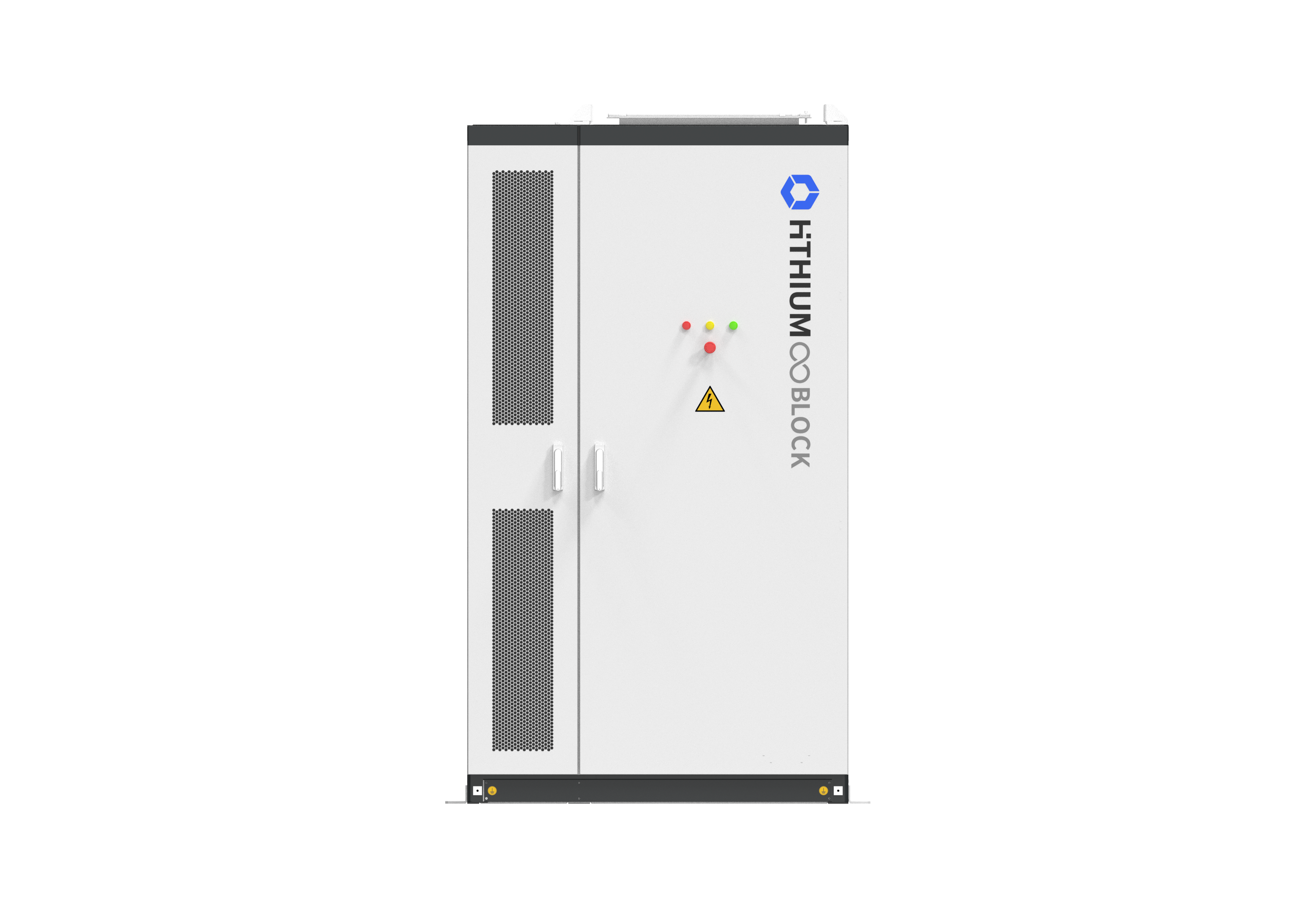
Here’s why the new kit keeps winning. LFP cells with liquid cooling maintain performance across longer duty cycles, so your C‑rate doesn’t collapse when you need it most. Grid‑forming inverters now ride through sags that used to clip output, and edge computing nodes push decisions to the fringe so dispatch isn’t waiting on a round trip to the cloud. Integration matters, too. When the BMS talks to the building EMS and the chiller PLCs via clean points—not duct‑taped workarounds—you get predictability. I’ve seen sites where a single misstated CT ratio inflated “savings” for months; after re‑cal, the payback slipped from 3.6 to 4.2 years. Annoying, yes, but honest numbers beat fairy tales. And because commercial and industrial energy storage now ships with safer enclosure designs—integrated fire suppression, segregated cable trays—the permit path is faster than it was five years ago. Not perfect—never is—but closer to smooth sailing.
What’s Next
I’m leaning into comparative reality, not hype. Against diesel: batteries start faster, cost less per event once you price fuel, maintenance, and compliance. Against pure load‑shifting: storage plus a smarter setpoint strategy beats “night charge, day discharge” when weather flips and a surprise production run lands. Against solar‑only: coupling storage stabilises export limits and gives you real peak shaving, not just sunny‑day relief. In WA last winter, a bakery in Osborne Park ran a 1.2 MWh pack with a modest 500 kW rooftop array; the site cut evening peaks by 27% while keeping ovens on schedule—no special treatment, just tighter dispatch rules. That’s the present tense. The next step is firmware that learns your plant’s rhythm, nudging setpoints before the spike hits—tiny moves, big wins. I like solutions that stay boring on bad days—steady power, clear logs, zero drama.
If you’re weighing options, I suggest three metrics that won’t lie—ever. First, verified peak reduction at 15‑minute granularity (not modelled, measured). Second, round‑trip efficiency under your actual load profile, including HVAC and compressor hits. Third, control resilience: can the system hold dispatch when the site PLCs chatter or a feeder sags? Put those on paper before you sign. And keep the tone practical: one line diagram, one commissioning protocol, one owner for alarms. When a system checks those boxes, commercial and industrial energy storage stops being a promise and becomes a tool you trust—on the hottest day, under the noisiest load, with the CFO watching the meter. That’s where I stake my name after nearly two decades in the field, and it’s why I keep an eye on vendors who publish their data and take feedback on the chin, like HiTHIUM.
