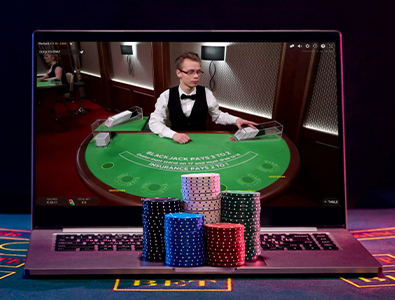
The rise of online casinos over the past 2 decades has completely reshaped the playing landscape, and in 2025, they are more immersive, accessible, and enslaving than previously. What was once a novelty—gambling on your computer—has become an galaxy 6623 -available digital experience that blurs the line between entertainment and compulsion. At the core of this phenomenon is the promise of the “virtual jackpot, ” a powerful lure that taps into human mindsets in a way few other pursuits can. The boasting lights, thrilling sounds, and sudden rush of dopamine when a win hits all contribute to a securely designed system that keeps players coming back again and again. Online casinos have refined these techniques, packaging them in sleek mobile apps and reactive websites that are as engaging as they are habit-forming.
One of the key reasons online casinos are so enslaving lies in their mastery of spotty reinforcement—a psychological principle notoriously studied in attitudinal science. When players engage games like video poker machines, roulette, or even digital blackjack, they never know when or if the next win could happen. This unpredictability, with the occasional payout, keeps serotonin levels connected in a reward-seeking hook. It’s the same mechanism that makes social media or video games so compelling, but with a lot more immediate and high-stakes compensation. A player might lose repeatedly for twenty minutes, then win just enough to feel like they’re on the edge of something big. That moment—where reward seems within reach—is often more enslaving than the actual win itself.
Increasing this psychological intensity is the way online casinos deliver constant stimulation. The visual and audio design of modern games is by choice crafted to help increase excitement. Bright, boasting animated graphics celebrate even the wins, while main stream music and congratulatory voiceovers create a false sense of progress and accomplishment. These elements trick serotonin levels into thinking it’s winning more often than it is. Even when you’re technically losing money, the game feels rewarding. In fact, many players continue to gamble not because they’re ahead, but because the experience is thrilling. Online casinos turn playing into a digital spectacle—a constant, high-octane rush that magnifying mirrors the emotional triggers of video games and slot machines, but with real financial levels.
Accessibility is another major driver of addiction in the online playing world. Unlike traditional casinos that need travel, money exchange, and often some extent of planning, online casinos are available at all hours, from any location. A player can spin the reels while lying in bed, sitting on the bus, or taking a break at work. This convenience removes the chaffing that typically gives people time to think or re-think their choices. What’s more, many platforms offer “quick deposit” features, instant play modalities, and autoplay functions—all which make it perilously easy to slip into extended playing sessions without realizing how much time or money has passed. The very buildings of online casino apps is designed to reduce barriers to entry and encourage continuous play.
Online casinos also customize their experiences to bolster addiction. Through data collection and attitudinal tracking, platforms know exactly what types of games you play, how much you bet, and when you’re most likely to log in. This information is used to push tailored promotions, bonus offers, and time-sensitive deals meant to lure you back in. The casino doesn’t just wait for you to come play—it reaches out with boasting banners, push signals, and tempting messages like “Your free rotates are waiting! ” This level of targeted proposal fosters a false sense of connection, convincing players that the platform understands and rewards them personally. In reality, it’s a calculated effort to keep you spending, even when you thought you’re done.
Maybe the most hard to bear area of online casino addiction is how normalized it has become in digital culture. With the rise of social media influencers, livestreamed playing sessions, and flashy ad campaigns, online casinos are marketed as fun, harmless entertainment. But under the surface, these platforms leverage probably the most powerful psychological tools available to change behavior. They’re not just games; they’re made experiences designed to hijack attention, delay realistic decision-making, and maximize cash in on every user session. The chase for the virtual jackpot, no matter how unlikely the odds, becomes a cycle that’s hard to break—especially for those who don’t recognize the movement at play.
In the end, the enslaving nature of online casinos isn’t accidental—it’s deliberate. Through carefully crafted design, algorithmic mind games, and unyielding accessibility, these platforms keep players closed in a constant state of hope, excitement, and risk. Understanding the mindsets behind this experience is the first step to recovering control. Awareness gives players the ability to enjoy playing responsibly, rather than falling victim to the virtual trap that so many never see coming. Because in the world of online casinos, the house doesn’t just win—it designs the game to make sure it does.
